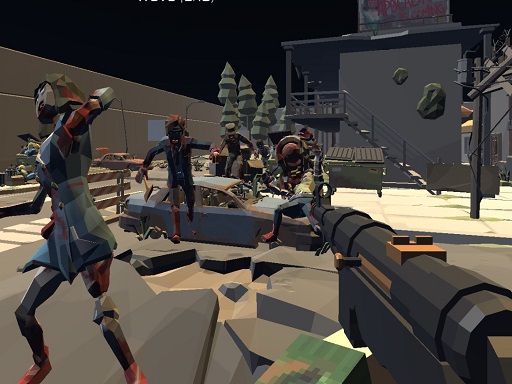
Wilderness Escape stands out for its thoughtful campaign design and the strategic depth of its tool system. Each mission feels like a new puzzle to solve, and the offline play means no interruptions. The difficulty ramps up gradually, keeping players engaged without feeling unfair. The ability to switch tools between missions encourages experimentation. A solid choice for puzzle fans looking for a portable challenge.
Wilderness Escape organizes its content into several campaigns, each presenting a unique arrangement of obstacles. Early campaigns introduce basic scenarios that teach the core mechanics, while later ones demand more refined strategies. Players must assess each mission's layout and adjust their approach accordingly, as the number and behavior of obstacles vary between campaigns.
A central feature is the collection of tools from different regions. Each tool has distinct properties that affect how players interact with the environment. Some tools may clear paths, while others provide temporary advantages. Players can switch between tools between missions, allowing them to tailor their loadout to the specific demands of each campaign. Upgrading tools becomes essential for progressing through tougher levels.
The game is designed for offline use, meaning no internet connection is required to access any of its content. This makes it suitable for travel, commutes, or areas with limited connectivity. The interface is straightforward, with on-screen controls that are easy to learn. The game saves progress locally, so players can pick up where they left off without losing their tool collection or campaign progress.
Success depends on more than quick reactions. Players must think ahead about tool usage, positioning on the map, and resource management. Staying mobile helps avoid being cornered, and knowing when to use a tool versus conserving it for later is key. Replaying earlier missions can provide practice and help refine strategies for tougher encounters.









Comments
0 comments