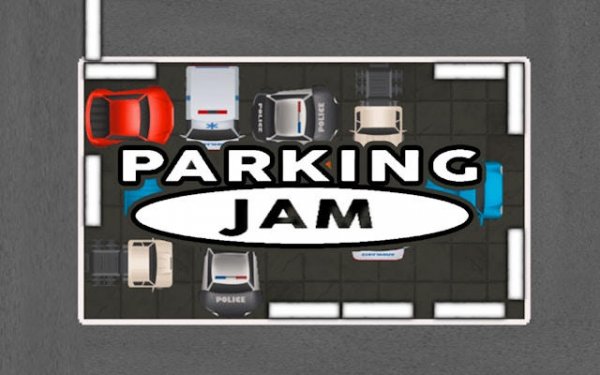
Rural Gridlock Logic
Review
Rural Gridlock Logic stands out for its peaceful approach to the classic gridlock puzzle formula. The farm theme is visually appealing and creates a relaxing atmosphere. The puzzles start simple but become genuinely challenging without ever feeling unfair. The lack of a timer is a major plus, allowing players to think through each move carefully. The controls are responsive and intuitive, making it easy to jump in. This is a great choice for anyone looking for a mental workout that doesn't come with stress or pressure. It is a solid, well-designed puzzle game that respects the player's time and intelligence.
About This Game
Core Concept and Objective
At its heart, this is a spatial reasoning puzzle. The playing field is a simple grid representing a farm parking area. Several vehicles are parked in a way that blocks a single car from reaching the exit. The player's task is to slide the vehicles, one at a time, along their designated lanes. Each vehicle can only move forward or backward in a straight line, either horizontally or vertically. The goal is to create an unobstructed path for the target vehicle to drive away. This core loop is easy to understand but offers surprising depth as the arrangements become more complex.
Level Progression and Challenge
The puzzles are organized into a sequence that starts with very simple configurations. Early levels might only require two or three moves to solve. As players advance, the number of vehicles increases, and their starting positions become more tangled. Later puzzles often require a multi-step strategy where moving one vehicle out of the way is necessary before another can be shifted. The difficulty curve is gradual, ensuring that players build their problem-solving skills naturally. There is no sudden jump in complexity, which keeps the experience satisfying rather than frustrating.
Visual Style and Atmosphere
The farm theme is carried through in the visual design. The background shows a sunny field with rows of corn, and the vehicles are drawn in a friendly, cartoon-like style. The color palette is warm and inviting, with greens, yellows, and soft browns dominating the screen. This creates a calm and relaxing environment that contrasts with the mental effort of solving the puzzles. The animations are smooth but not distracting, and the sound effects are minimal, adding to the peaceful tone. The overall presentation makes the game suitable for players of all ages.
Controls and Accessibility
The controls are designed to be intuitive. On a touchscreen, players tap a vehicle to select it, then drag it along its lane. On a computer, the same action is performed with a mouse click and drag. The game provides clear visual feedback, highlighting the selected vehicle and showing the possible directions of movement. There are no penalties for making mistakes, and players can undo moves or restart a level at any time. This low-stakes environment encourages experimentation, which is key to learning the game's logic. The absence of timers means that players can take as long as they need to think through each puzzle.
Strategic Thinking and Planning
Success in this game depends on looking ahead. A single move might open a path for one vehicle but block another. Players must consider the order of operations carefully. Sometimes the best approach is to move a vehicle that seems unrelated to the target car, because it creates space for another vehicle to shift. The game rewards players who can visualize the final state of the grid before making their first move. This kind of forward planning is a valuable mental exercise that can improve general problem-solving abilities. The puzzles are designed so that there is always a solution, but finding it requires patience and logical thinking.








Comments
0 comments