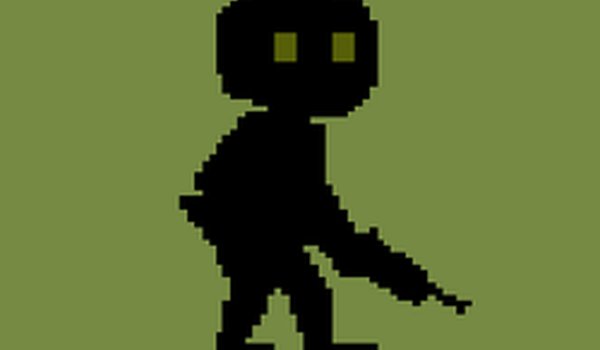
Pixel Pathfinder: Dimension Hop captures the essence of classic platformers without feeling like a mere copy. The dimension-hopping concept gives each stage a distinct visual identity, and the obstacle design gradually teaches players to read patterns and react quickly. Controls are responsive, and the difficulty curve feels natural. The pixel art is clean and charming, making it easy to track the character during fast sequences. This is a solid choice for anyone who enjoys thoughtful, skill-based platforming with a nostalgic aesthetic.
Players control a character who must navigate from left to right across each stage. The primary actions involve moving horizontally and using a jump command to clear gaps or avoid hazards. Some stages include obstacles that require a secondary action to pass safely. Success depends on understanding the timing and rhythm of each environment.
The game presents a series of distinct dimensions, each with its own visual theme and set of challenges. Early stages introduce basic gaps and simple obstacles, while later dimensions incorporate moving platforms and environmental elements that change the approach needed. The pixel art style gives each world a cohesive look that matches its theme.
As players move through the dimensions, the complexity of obstacle patterns increases. New hazards appear without warning, requiring players to stay observant and adapt quickly. The learning curve feels natural, with each new element introduced in a controlled setting before becoming more frequent. This structure keeps the experience engaging without feeling unfair.
The pixel art graphics aim to evoke the charm of classic 8-bit and 16-bit platformers. Character sprites and background elements are detailed enough to be readable during fast movement. The soundtrack and sound effects complement the on-screen action, providing audio cues for jumps and collisions that help with timing.
Focus on learning the timing of each obstacle type before attempting to speed through levels. Observing enemy movement patterns from a safe distance can reveal the best moment to pass. Maintaining forward momentum helps, but rushing into unknown areas often leads to mistakes. Practice on earlier stages to build muscle memory for precise jumps.









Comments
0 comments