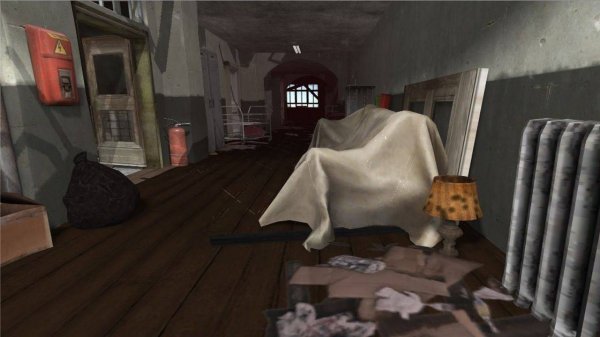
Snap & Solve: Asylum Mysteries stands out for its innovative use of photography as a puzzle mechanic. The asylum setting is atmospheric without being scary, making it accessible to a wide audience. Puzzles are well-designed, requiring careful attention and creative thinking. The controls are simple, letting players focus on exploration. While the story is light, it provides enough context to motivate progress. This game is a refreshing choice for puzzle enthusiasts who enjoy thoughtful, non-violent challenges.
Snap & Solve: Asylum Mysteries centers on a unique mechanic where players use a camera to document their surroundings. Each photograph may reveal a hidden symbol, unlock a door, or provide a clue for the next challenge. The game rewards careful observation—players must examine walls, floors, and objects from different angles to find what stands out. This approach turns exploration into a thoughtful activity, encouraging players to slow down and notice details they might otherwise overlook.
The asylum setting is designed to be intriguing rather than frightening. Dimly lit corridors and dusty rooms create a sense of mystery, but the tone stays light and playful. Whimsical decorations and soft lighting keep the mood friendly, making it suitable for younger players or anyone who prefers a gentle adventure. The environment itself becomes part of the puzzle, with each area offering new visual cues to discover.
Puzzles in this game come in several forms. Some require matching patterns found in photographs to corresponding spots in the environment. Others ask players to locate hidden objects that blend into the scenery. A few puzzles demand using photos in a specific sequence, building on information gathered earlier. This variety keeps the gameplay fresh and ensures that players must adapt their thinking as they advance through the asylum.
The controls are straightforward, designed for quick learning. Players move through rooms using standard directional inputs, and the camera is activated with a single button. There is no complex inventory management or timed sequences, reducing frustration. This simplicity allows players of all ages and experience levels to focus on the puzzles themselves rather than struggling with the interface.
The narrative unfolds gradually as players take pictures. Each photograph adds a piece to the story, revealing why the asylum was abandoned and what happened to its former residents. The story is told through environmental storytelling—notes on walls, symbols on doors, and objects left behind. Players who explore thoroughly will piece together a complete tale, while those who rush may miss important context. This design encourages multiple playthroughs or careful backtracking.









Comments
0 comments